Electric vehicles catching fire in Florida after Hurricane Ian
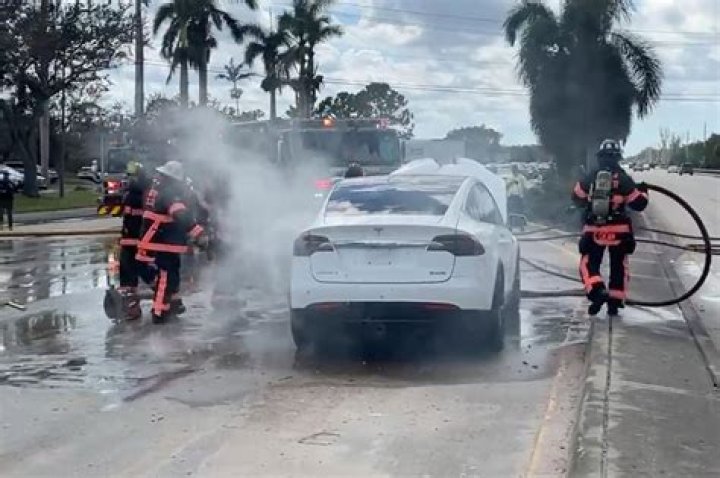
Electric vehicle owners have seen their rides trap hearth after becoming waterlogged for the duration of Hurricane Ian and it may take hours to put the conflagrations out, a pinnacle Florida legit warned Thursday.
As the Sunshine State recovers from the punishing Category four hurricane that made landfall final week, first responders have confronted further destruction from electric cars that had been submerged in water from the enormous flooding and later stuck hearth, Jimmy Patronis, Florida’s chief economic officer and country fireplace marshal, said on Twitter.
“There’s a ton of EVs disabled from Ian,” he tweeted. “As the ones batteries corrode, fires start.
“That’s a brand new assignment that our firefighters haven’t confronted earlier than. At least on this form of scale.”
In his tweet, Patronis posted a video of firefighters with the North Collier Fire Rescue District in Naples setting an electric vehicle fire out as a bystander is heard announcing it’s taken lots of gallons of water to extinguish it.
“It takes unique education and information of EVs to ensure those fires are placed out quick and thoroughly,” Patronis tweeted.
Additional footage of the identical automobile fireplace posted on Facebook by using the North Collier Fire Rescue District shows firefighters dousing the auto’s top and underbelly with water to do away with any sparks.
Electric vehicles catching fire in Florida after Hurricane Ian
— New York Post (@nypost) October 7, 2022
The rescue district said firefighters received the call while Patronis and kingdom Rep. Bob Rommel visited the location. The nation officers were brought to the incident so they might see the problem of putting EV fires out and said it took firefighters hours to make certain the blaze changed into extinguished.
“This is an trouble many fireplace departments throughout [southwest] Florida are experiencing proper now,” the district wrote on Facebook. “These vehicles had been submerged in salt water; they’ve substantial harm and can doubtlessly be severe hearth risks.”